Nootropics are substances commonly used to support cognitive performance. They are often referred to as “brain supplements” or “cognitive enhancers” because they are associated with areas such as focus, mental clarity, learning, and memory. Nootropics can be naturally occurring compounds found in foods and plants, or synthetically produced ingredients used in dietary supplements.
Interest in nootropics has grown significantly in recent years, particularly among students, professionals, athletes, and individuals looking to support mental performance during demanding tasks.
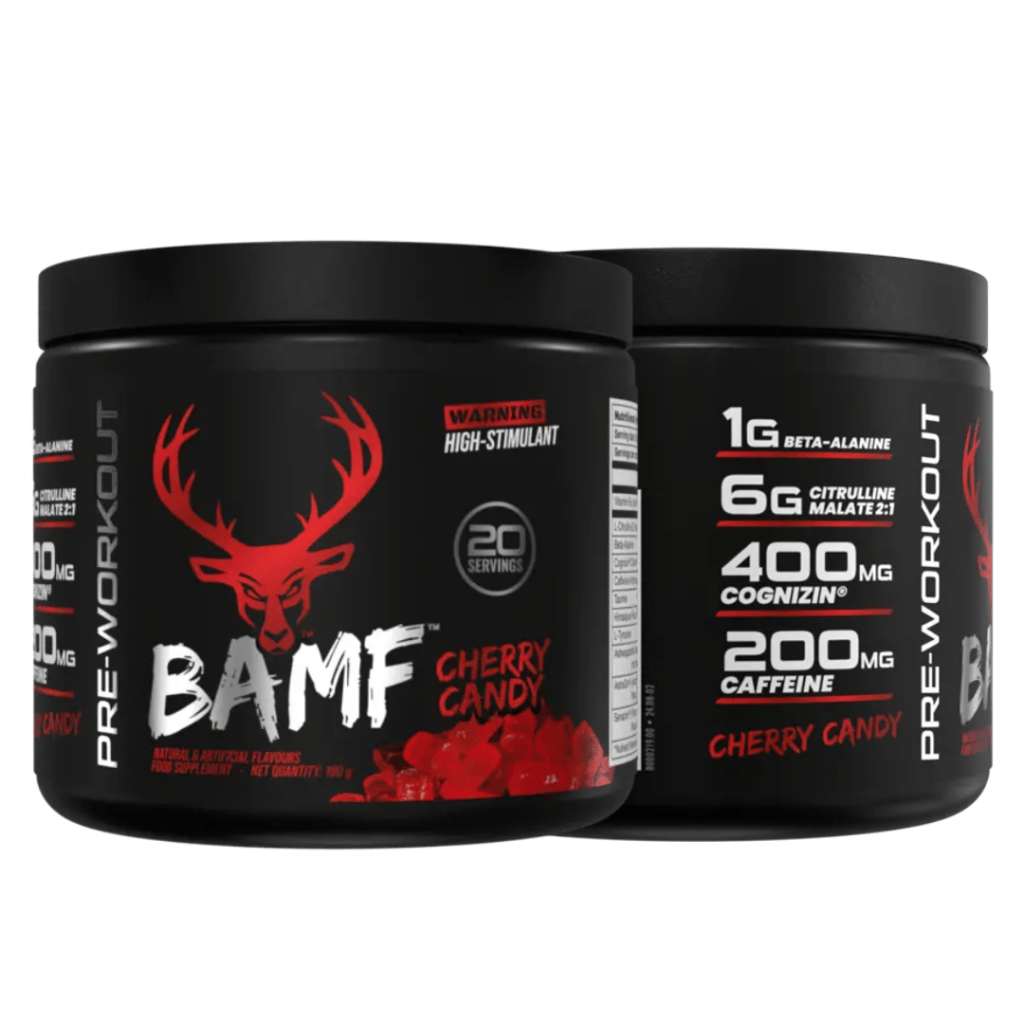
What Does “Nootropic” Mean?
The term nootropic was first introduced in the 1970s by Romanian psychologist and chemist Corneliu E. Giurgea, who studied compounds that could support cognitive processes. The word itself comes from the Greek terms:
- “nous” meaning mind
- “tropein” meaning to bend or influence
Giurgea suggested that true nootropics should support cognitive function while having low toxicity and minimal side effects. Today, the term is used more broadly to describe a wide range of compounds included in supplements designed to support mental performance.
Common Types of Nootropics
Nootropics can generally be grouped into three categories.
1. Natural Nootropics
These are compounds derived from plants, herbs, or natural food sources.
Examples include:
- Ashwagandha
- Panax ginseng
- Rhodiola rosea
- L-tyrosine
- Ginkgo biloba
Many of these ingredients have been used in traditional medicine systems for centuries.
2. Nutritional Nootropics
These are vitamins, minerals, or amino acids that play a role in normal brain function.
Examples include:
- Vitamin B12
- Choline
- Omega-3 fatty acids
- Citicoline (CDP-choline)
These nutrients support processes such as neurotransmitter production and normal nervous system function.
3. Stimulant-Based Nootropics
Some nootropic formulas include stimulants that support alertness and attention.
Examples include:
- Caffeine
- Theanine
- Certain pre-workout ingredients
These are commonly used in energy drinks, pre-workouts, and focus supplements.
Potential Benefits Associated With Nootropics
Different nootropic ingredients work through different mechanisms in the brain. Research often explores their role in supporting several cognitive areas.
Focus and Attention
Some ingredients are associated with improved mental alertness and attention span. For example, caffeine is widely studied for its ability to temporarily increase alertness by affecting adenosine receptors in the brain.
Memory and Learning
Certain nootropics are researched for their role in supporting memory processes. Compounds like citicoline and certain plant extracts are studied for their involvement in neurotransmitter production and brain cell communication.
Mental Energy
Nootropic ingredients are also associated with supporting mental energy. This differs from physical energy and refers to the ability to stay mentally engaged during tasks such as studying, working, or problem solving.
Stress and Cognitive Performance
Adaptogenic herbs such as ashwagandha are often included in nootropic formulas because they are researched for their role in helping the body adapt to stress.
How Nootropics Are Used
Nootropics appear in a wide variety of products and settings.
Supplements
Many nootropic ingredients are included in capsules or powdered supplements designed for daily use.
Pre-Workout Formulas
Some pre-workout supplements include nootropic ingredients to support focus and concentration during training sessions.
Energy Drinks and Functional Beverages
Energy drinks and functional beverages sometimes include nootropic compounds to support alertness.
Productivity and Study Support
Students and professionals may use nootropic supplements during periods of intense mental workload, such as exams, long workdays, or creative projects.
Research and Scientific Interest
Scientific research into nootropics has expanded over the past several decades. Studies often examine how specific compounds interact with neurotransmitters, brain metabolism, and cognitive processes.
Areas of research commonly include:
- Neurotransmitter regulation
- Brain energy metabolism
- Neuroprotection
- Cognitive performance under stress
For example:
- Citicoline has been researched for its role in supporting phospholipid synthesis in brain cell membranes.
- L-tyrosine has been studied for its involvement in dopamine and norepinephrine production.
- Ashwagandha has been examined in research exploring stress response and cognitive performance.
It is important to note that research findings can vary depending on dosage, population studied, and study design.
Safety and Considerations
Nootropic ingredients are widely used in dietary supplements, but they should always be used responsibly.
Important considerations include:
- Following recommended serving sizes
- Checking caffeine content when applicable
- Consulting a healthcare professional if you have medical conditions or take medication
Many products containing nootropics are intended for healthy adults and may not be suitable for children, pregnant women, or individuals sensitive to stimulants.
The Growing Popularity of Nootropics
The demand for cognitive support supplements has grown as people look for ways to support both physical and mental performance. As a result, nootropic ingredients now appear in a wide range of sports nutrition, productivity supplements, and functional drinks.
Ongoing research continues to explore how these compounds interact with the brain and how they may support cognitive function when used as part of a balanced lifestyle.